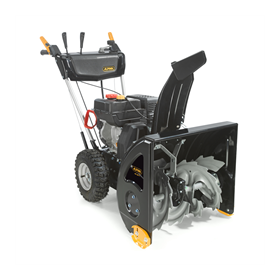
Alpina AS 56 P WS 210 petrol engine snow blower
€791.10
€879.00
-10%
 Pay with PayPalPayments in 3 installments with Paypal, immediate and 100% secure
 Are you a company?To enable the compilation of all data, tick the "Company" item in the "addresses" tab.
 Free shippingClick here to see how to benefit from free shipping to your country.
Home
 |
 |
 |
Autumn winter
Alpina AS 56 P WS 210 petrol engine snow blower
Alpina AS 62 P WS 210 petrol engine snow blower
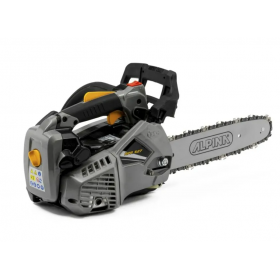
Alpina 2-stroke petrol chainsaw 26.9cc bar 25cm mod. APR 527
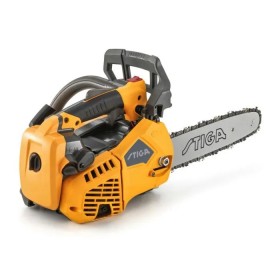
STIGA PR 730 petrol engine pruning chainsaw 26.9cc bar 25cm
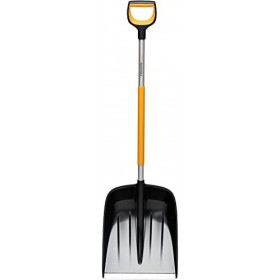
Fiskars snowxpert shovel cod. 82166
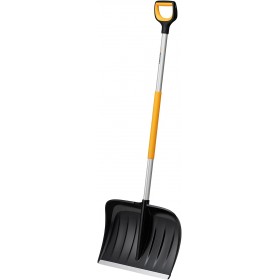
Fiskars "snow pusher" snow shovel code 82167

There are 150 products.
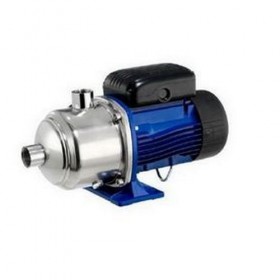
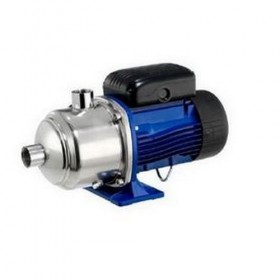
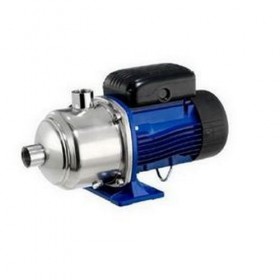
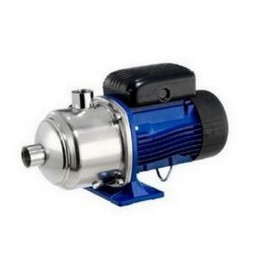
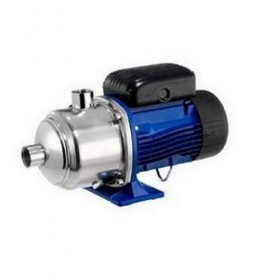
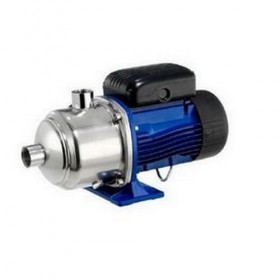
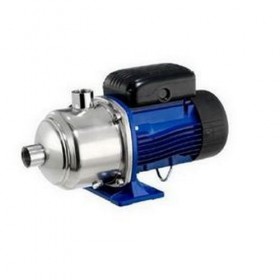
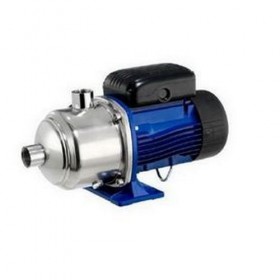
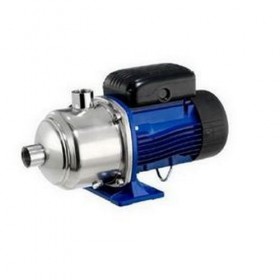
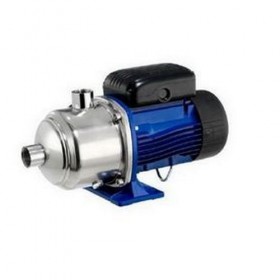
Lowara horizontal multistage centrifugal pump 1HM03P05M5HVBE single phase
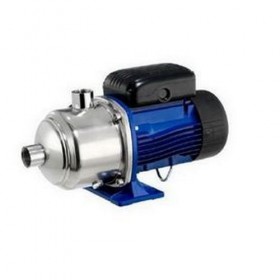
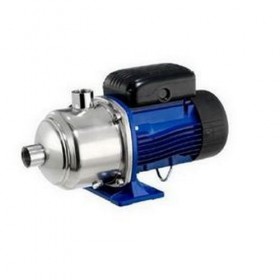
Lowara horizontal multistage centrifugal pump 1HM04P05M5HVBE single phase
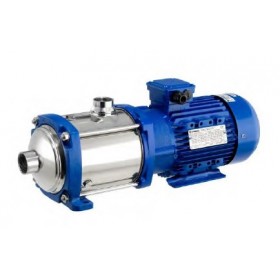
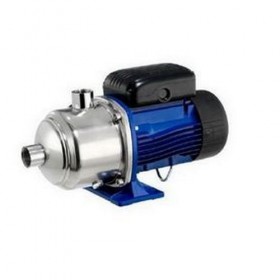
Lowara horizontal multistage centrifugal pump 1HM06S05M5HVBE single phase
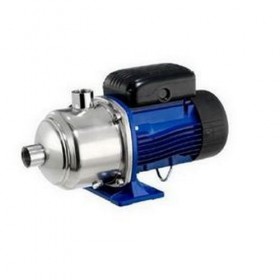
Lowara horizontal multistage centrifugal pump 1HM05P05M5HVBE single phase
Lowara horizontal multistage centrifugal pump 1HM06P07M5HVBE single phase
Lowara horizontal multistage centrifugal pump 3HM02P05M5HVBE single phase
Lowara horizontal multistage centrifugal pump 3HM03P05M5HVBE single phase
Lowara horizontal multistage centrifugal pump 3HM04P05M5HVBE single phase
Lowara horizontal multistage centrifugal pump 3HM05P07M5HVBE single phase
Lowara horizontal multistage centrifugal pump 3HM06P11M5HVBE single phase
Lowara horizontal multistage centrifugal pump 5HM02P05M5HVBE single phase
Lowara horizontal multistage centrifugal pump 5HM03P05M5HVBE single phase
Lowara horizontal multistage centrifugal pump 5HM04P07M5HVBE single phase
Lowara horizontal multistage centrifugal pump 5HM05P11M5HVBE single phase
Lowara horizontal multistage centrifugal pump 5HM06P11M5HVBE single phase